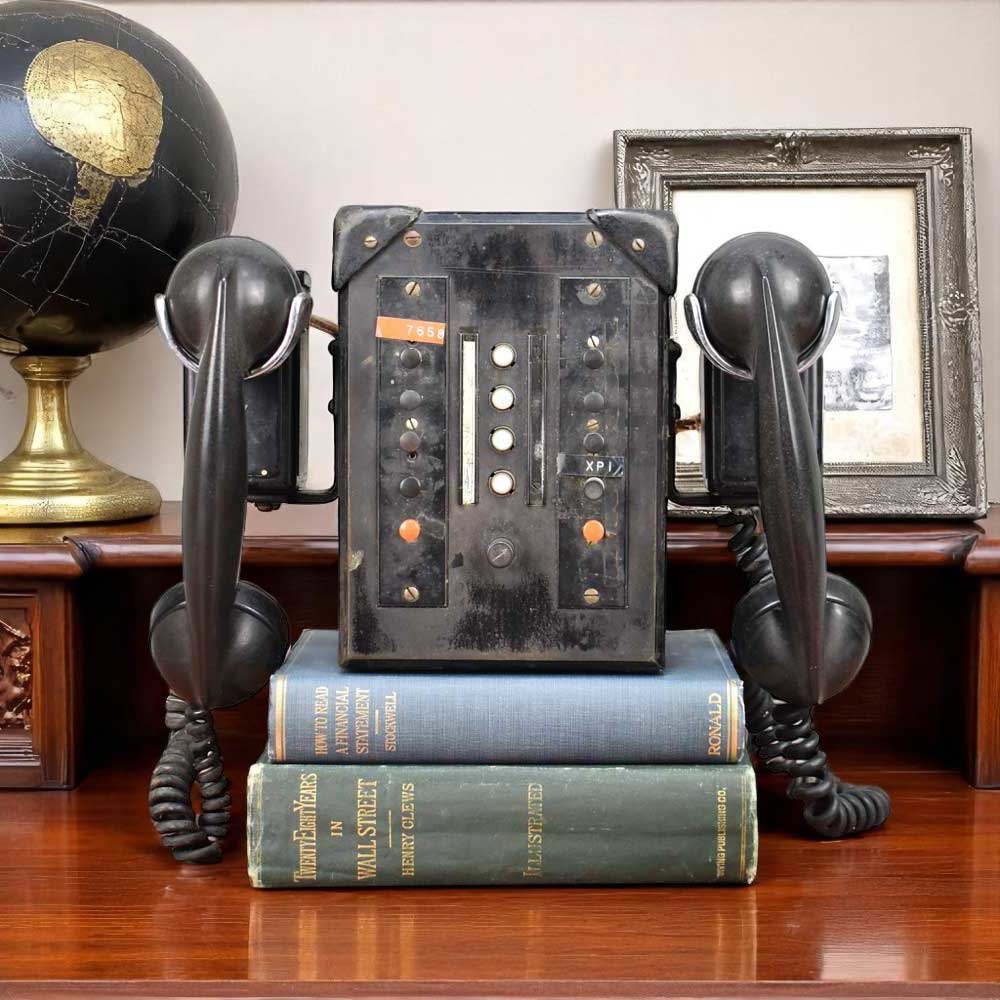
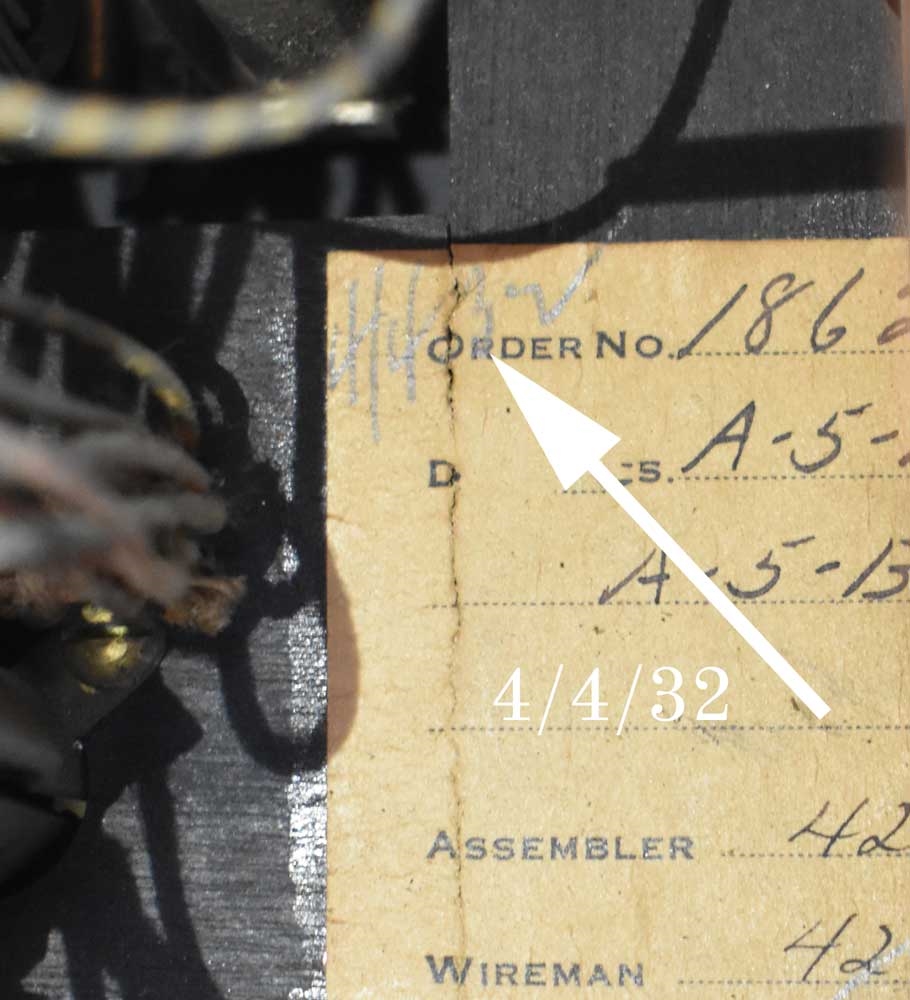
If you’re hunting for a rare, genuine conversation-starting piece of Wall Street history, look no further. The Ticker Times presents a standout relic: the NYSE Trading Floor Telephone, built by Western Electric Bell System for exclusive NYSE use and installed around 1930 after the Crash of 1929. This isn’t just a phone. It’s a tangible thread tying together the chaos of Black Thursday, the meticulous modernization of the NYSE, and the human stories that powered the markets we still study today.
The Crash, the remodel, and a new era of sound on the floor
To truly appreciate this artifact, you need the background. On Black Thursday, October 24, 1929, trading volumes exploded. Volume on Black Thursday topped 13 million shares; five days later, volumes surpassed 16 million, a record that would stand for decades. The stock ticker systems were overwhelmed, sometimes two hours behind, and the floor’s communications were stretched beyond their limits. Those figures aren’t just numbers; they’re a story of a market fighting to stay in sync with itself.
The lack of modern technology and support systems could not keep pace and greatly contributed to the chaos and panic. Clerks worked through the night just to process the day’s trades. While there are many economic factors that attributed to the Crash of 1929, there was no doubt that the lack of communications technology attributed to the magnitude of the crash.
The Aftermath
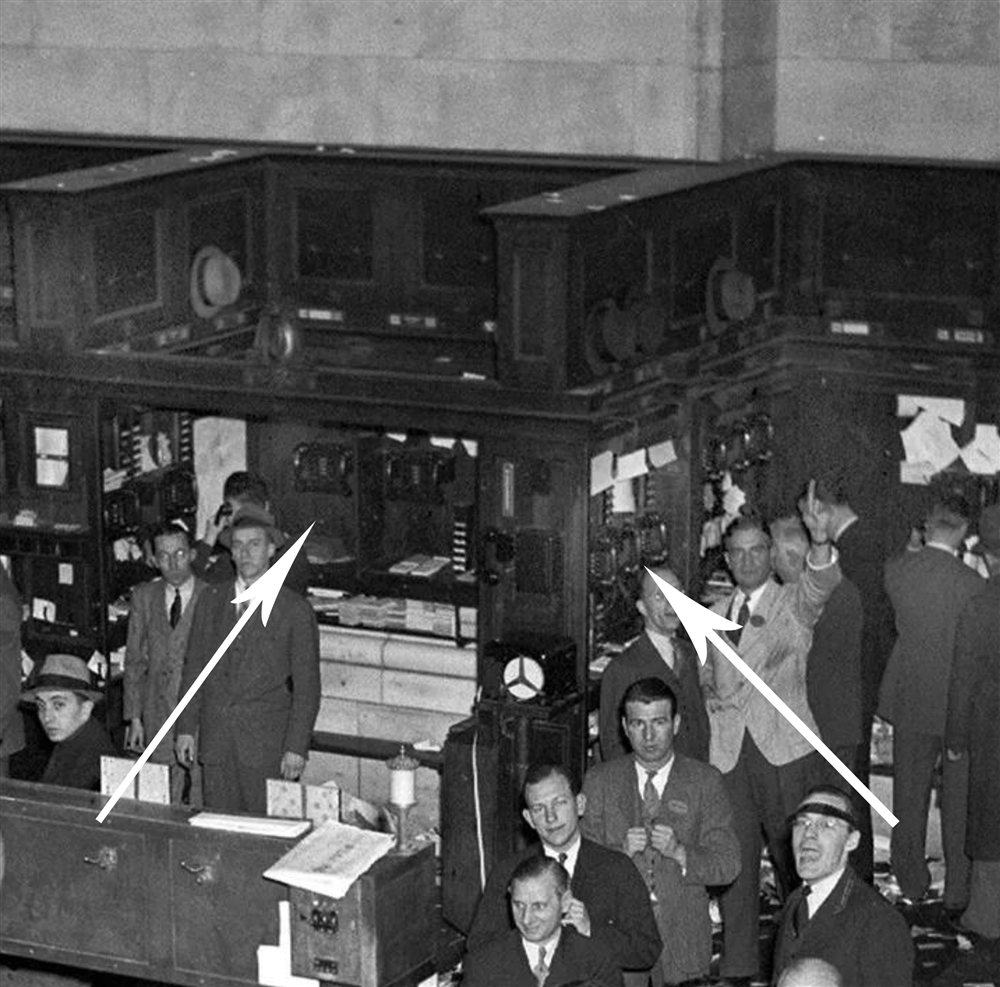
After the dust settled, the NYSE took steps. In 1930, in response to that upheaval, the NYSE remodeled the trading floor with more modern technology. The upgrades were bold and symbolic:
- 17 horseshoe-shaped trading posts were installed to modernize the workspace.
- The old stock tickers gave way to faster “Black Box” tickers that could handle higher speeds.
- The floor was outfitted with a new wave of telephony across the room, including dedicated private-line phones such as the NYSE floor telephone we highlight here.
This was more than cosmetic modernization; it was a deliberate upgrade to how information moved, how decisions were made, and how orders traveled from officers to the floor and between brokers with fewer delays and fewer miscommunications.
A closer look at the phone and its purpose
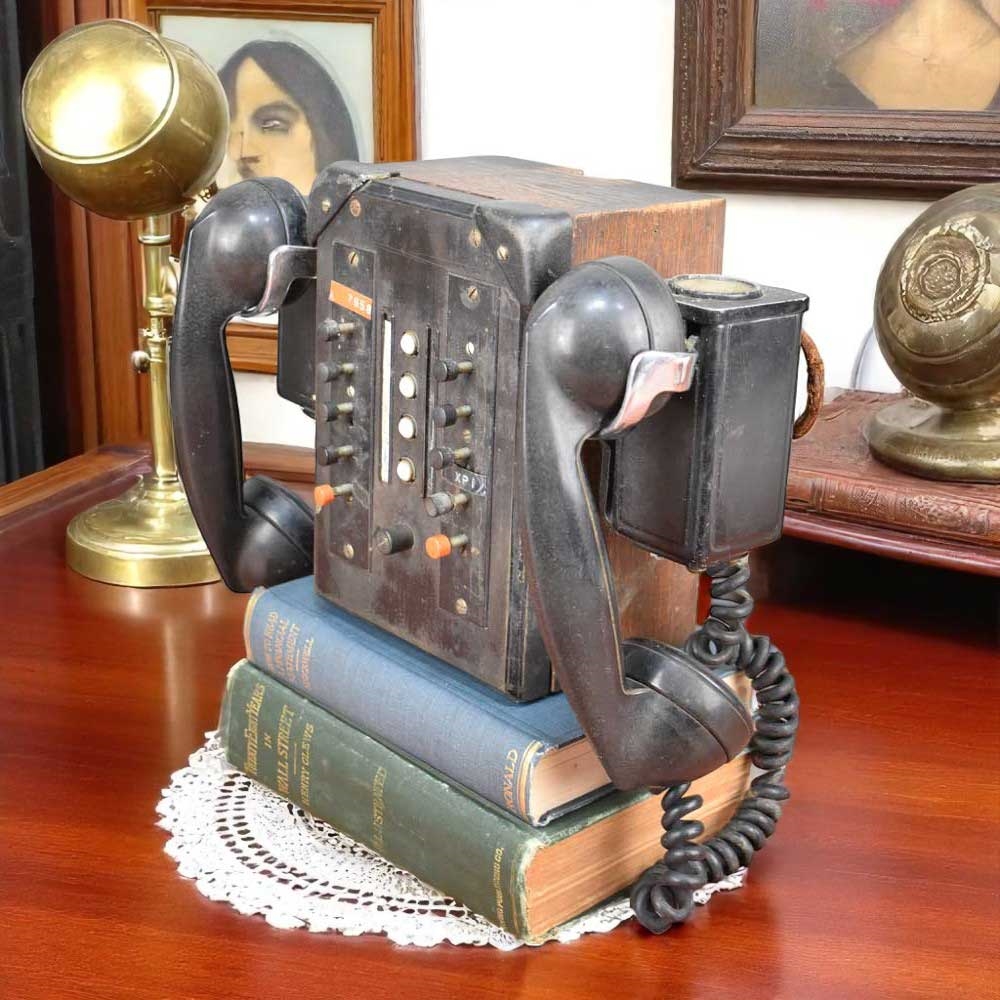
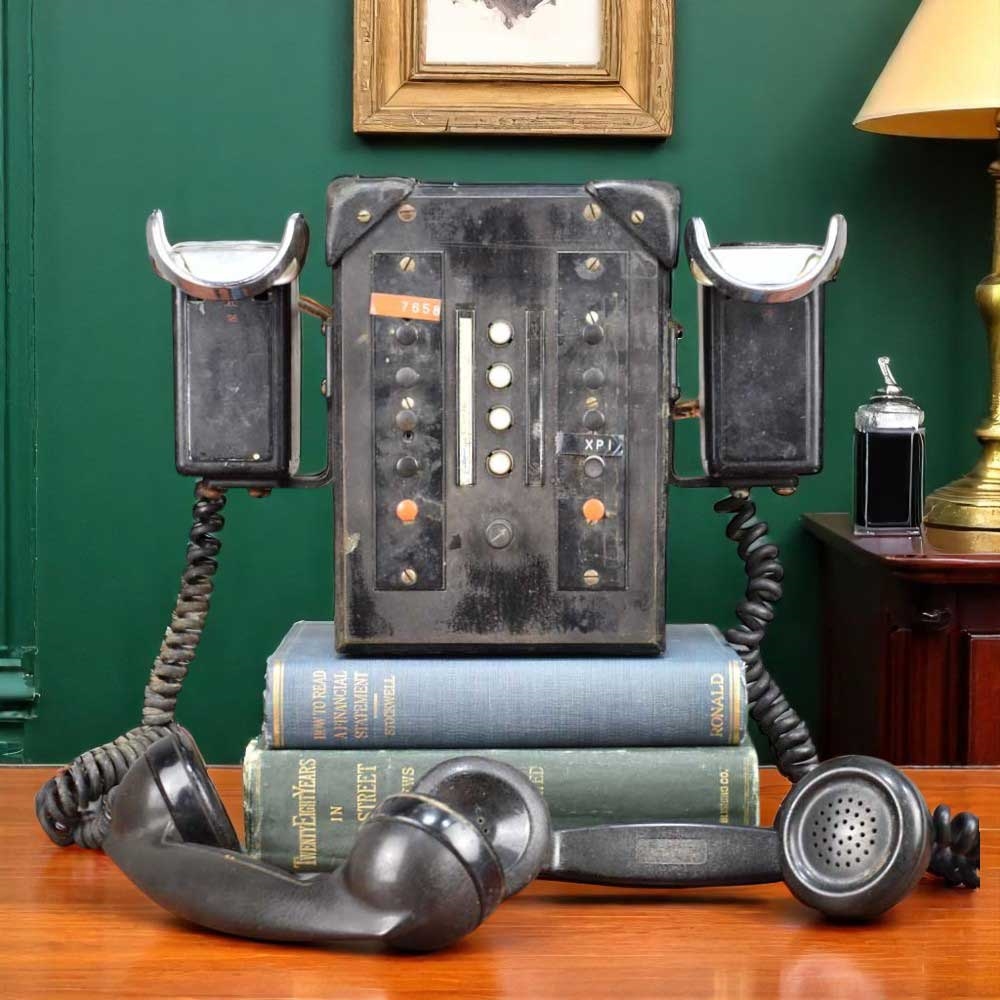
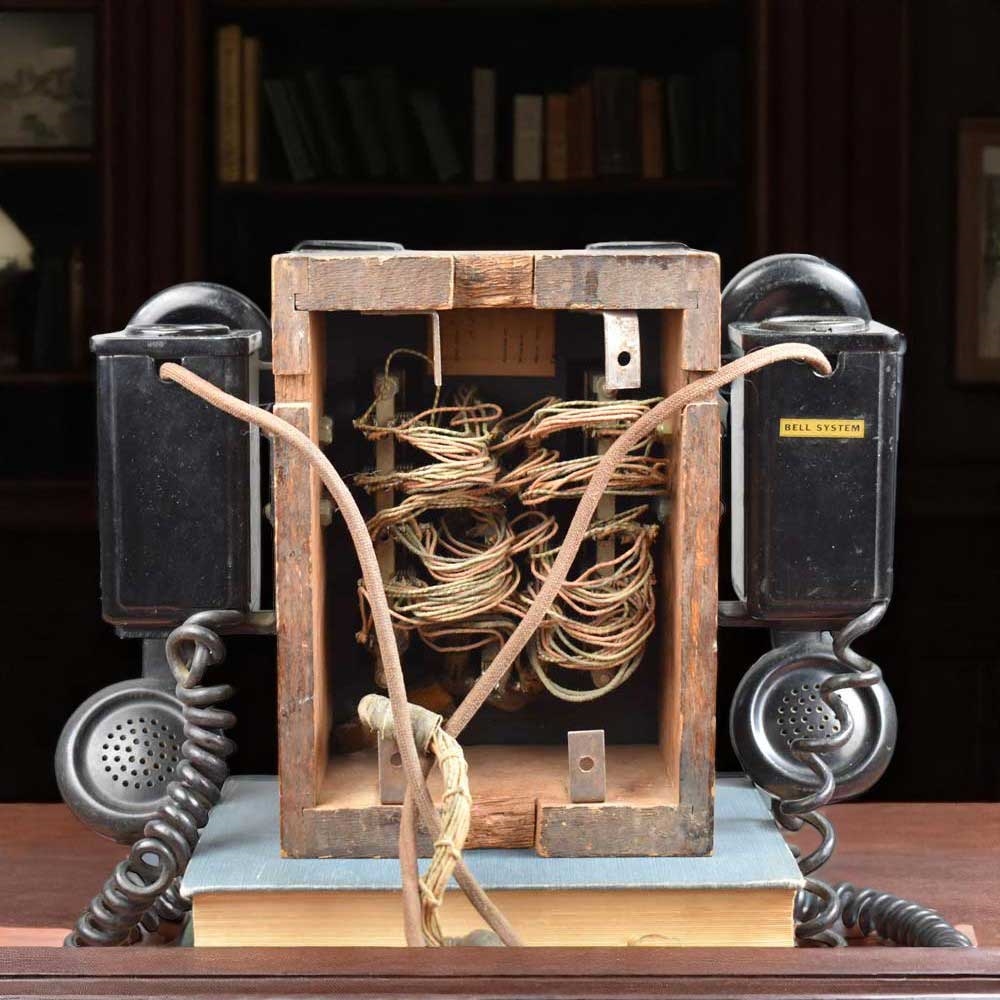
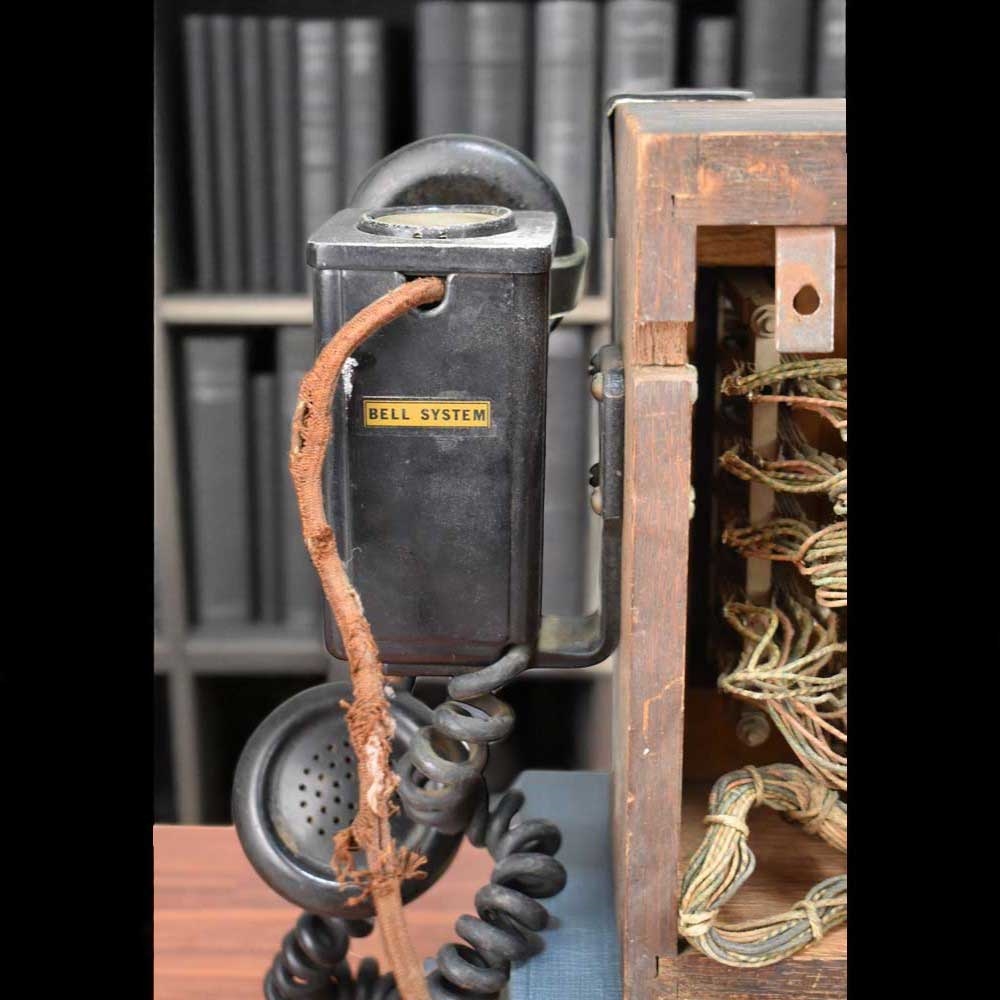
This isn’t a consumer gadget. It’s a purpose-built tool for one of the most adrenaline-fueled workplaces in history. The Western Electric Bell System-crafted handset sits on a solid oak base, a testament to durability in a room that rarely slept. On the front, you’ll notice a row of push buttons—each one a line, a direct path to a broker or a crucial officer. A strip of four lights glows to show which line is in use, and a turn button beneath the lights allows the operator to switch between line series with a quick twist.
These phones were the heartbeat of private-line communication—Manual Ring Down Private Line Phones. In a world before electronic routing and ubiquitous data feeds, they were the fastest way for floor managers to send a directive down to the brokers and for brokers to ping one another across a crowded, noisy room.
The Western Electric Bell System connection
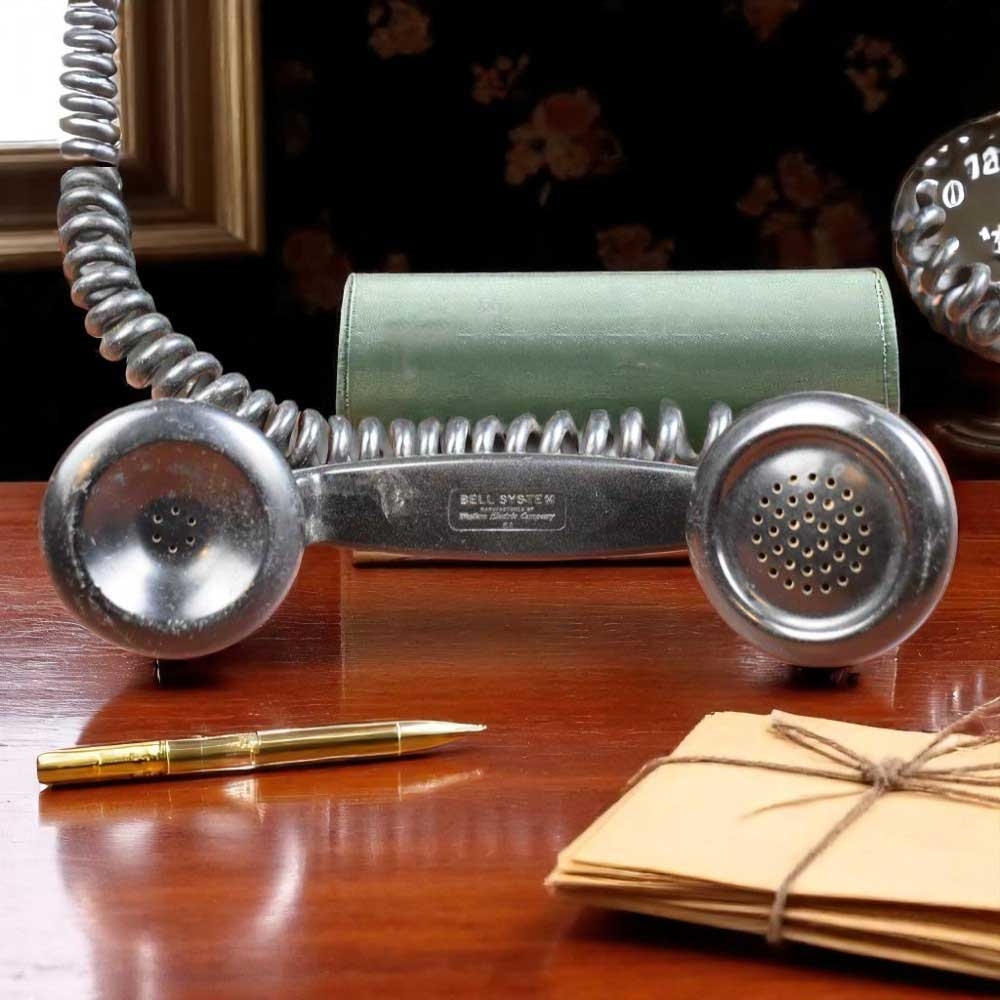
Western Electric, the manufacturing backbone of the Bell System, specialized in rugged, reliable communications gear. The NYSE’s 1930s upgrade wasn’t just about looking shinier; it was about building a resilient system that could survive the pace and pressure of a booming market. The “Bell System” name carried with it a reputation for engineering that stood up to the harsh realities of a trading floor—shouting traders included.
A human moment from the era: Helen Hanzelim
History isn’t just gears and numbers; it’s people. Our gallery includes a photograph of Helen Hanzelim, the first female to work on the NYSE floor in over 150 years, captured on 4/28/43. The NYSE had long been dominated by men, but as war broke out, women were brought in to help fill the void. Her presence on the floor during this transformative era adds a human dimension to the technology: a reminder that the floor was a working community where conversations, commands, and courage carried the day.
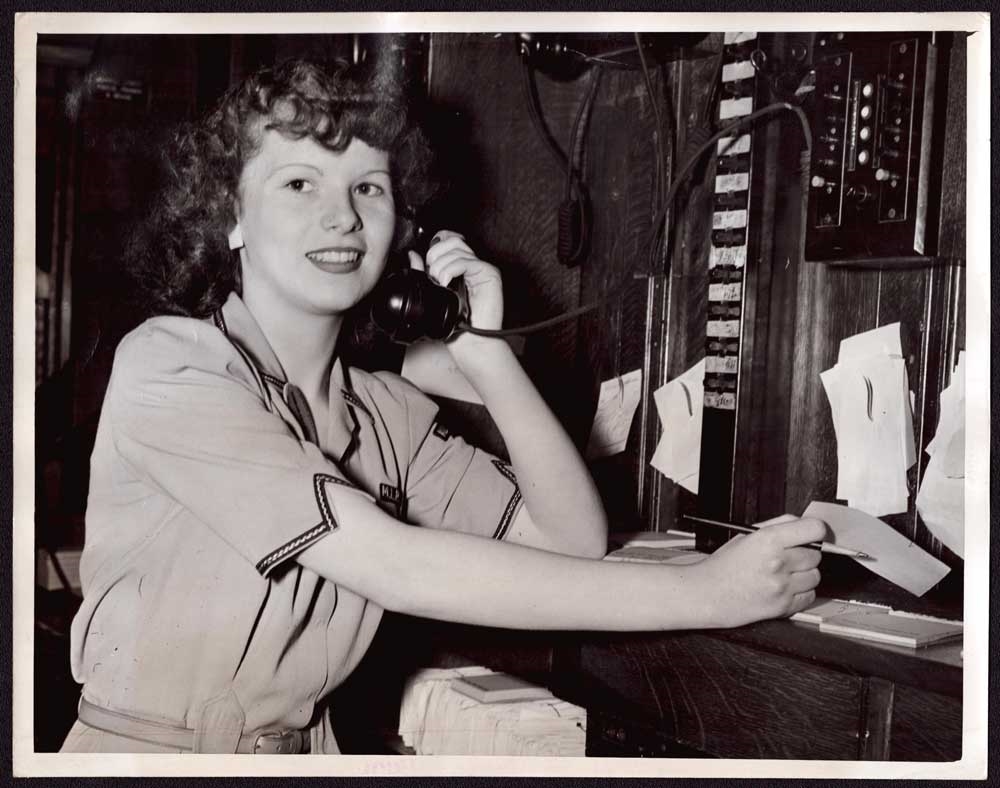
The first female employee to work on the NYSE trading floor. She was promoted to Order Clerk by Merrill Lynch, Pierce , Fenner & Beane in 1943. Credit: Acme Photo
A rare gem in a collector’s eye
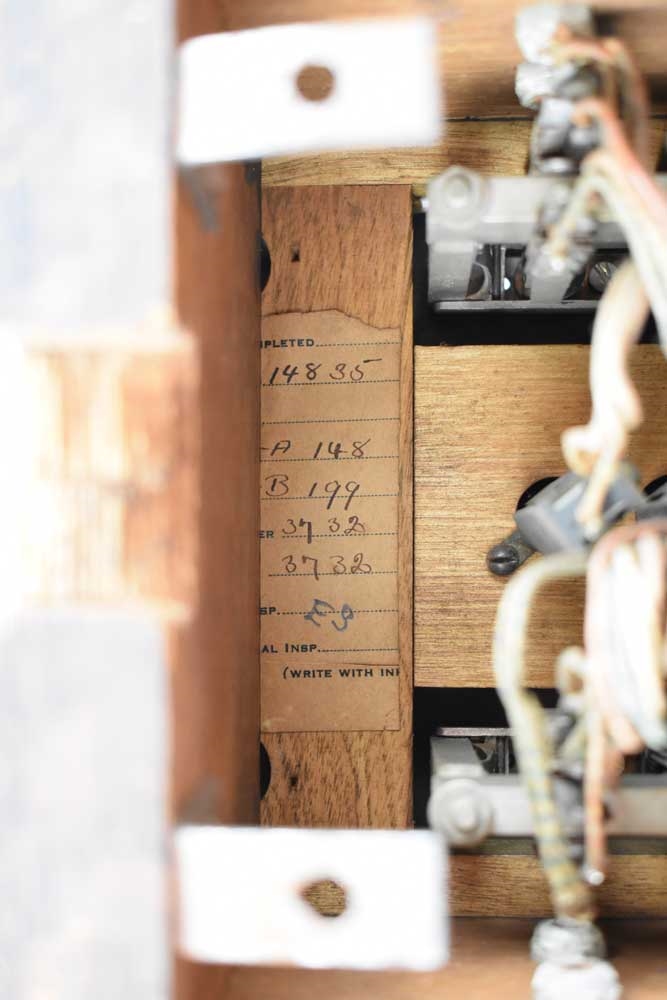
At the time of this writing, we have only been able to verify about six known surviving units. Our collection includes two of these, making each example exceptionally rare. The piece isn’t just a display item; it’s a focal point for conversations about market infrastructure, the evolution of communication on the trading floor, and how small machines can wield outsized influence in high-stakes environments.
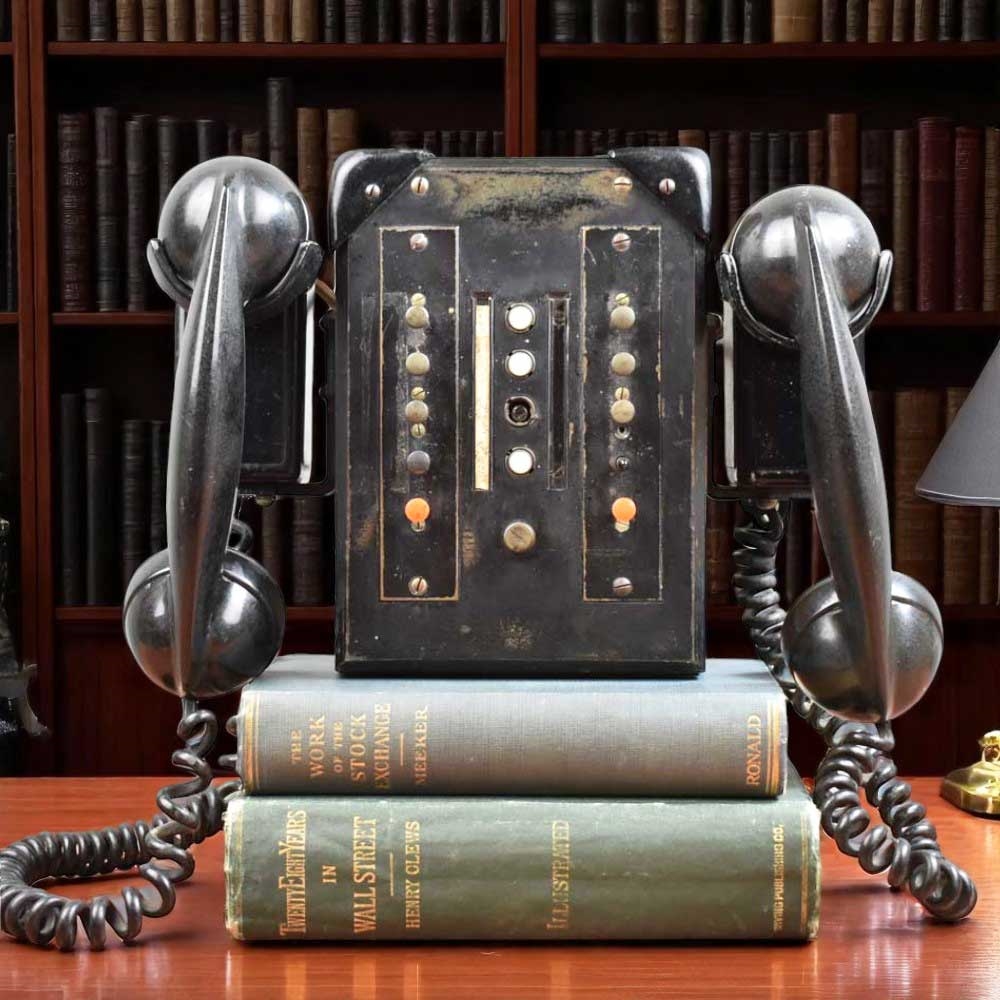
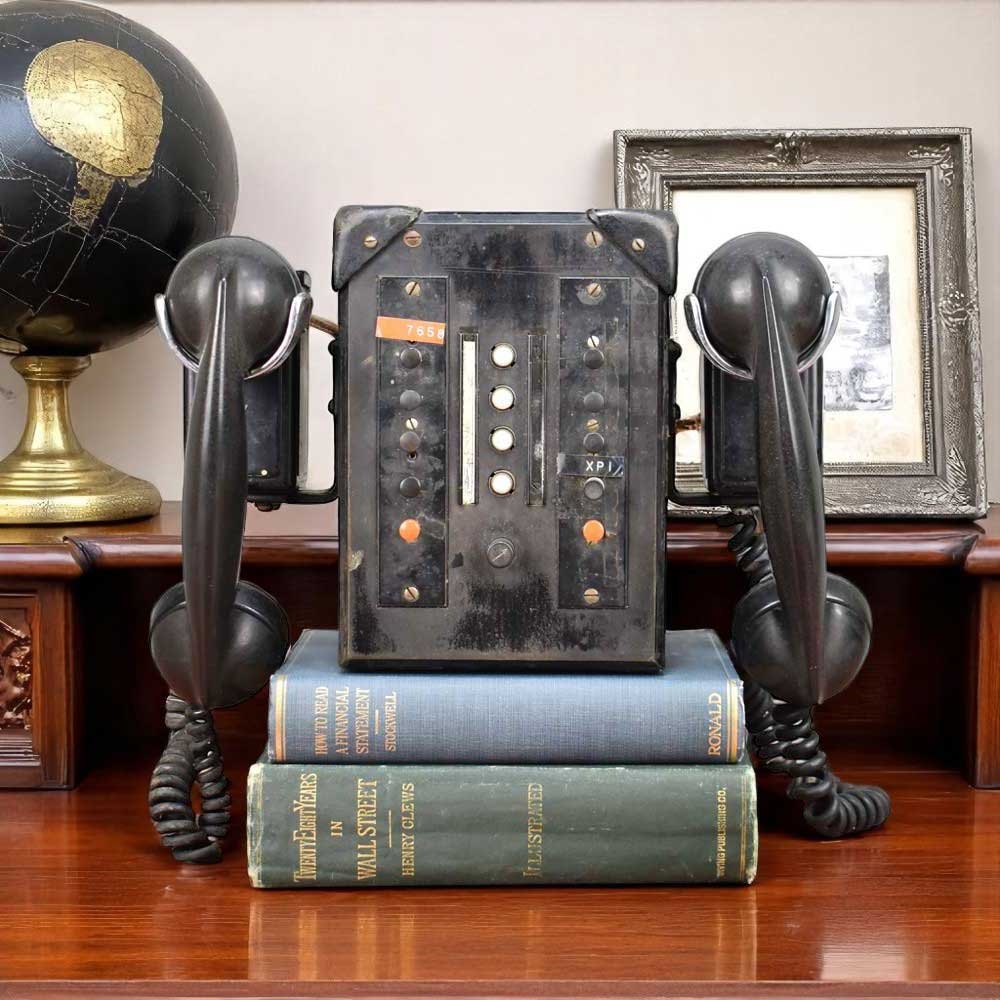
Two NYSE telephones currently in the Bull Market Gifts’ collection
Two different accounts told us they believe they were simply thrown away during the remodel. One trader we spoke with insisted on a six-figure payday for his phone. While that price might be a bit rich, the appetite for rare New York Stock Exchange trading memorabilia speaks to its staying power as a collectible worthy of museum display.
Closing thought
This NYSE Trading Floor Telephone isn’t just a gadget from a bygone era. It’s a flagship example of how Wall Street’s technology evolved—from ticker to telephony, from chaos to coordination. It’s a conversation starter, a learning tool, and a tangible bridge to the period when a few precise signals could move mountains of orders and markets could swing on a single operator’s command. If you’re building a collection that tells the story of Wall Street’s evolution, this piece belongs at the center.
Thanks for reading…The Ticker Times
Check out awesome finds like this and other stock market gifts at our shop: BullMarketGifts.com

 The Ticker Times
Leave a comment